How To Regain Normal Hand Function Quickly After โรคหลอดเลือดสมอง? - โรคหลอดเลือดสมอง Center
After โรคหลอดเลือดสมอง, อัมพาตครึ่งซีก is the most common manifestation of dysfunction. Patients with post-โรคหลอดเลือดสมอง อัมพาตครึ่งซีก lose control of the lower center due to the pathology of the central nervous system of one side of the brain, and the contralateral limb movement and sensory dysfunction appear.
There have been many clinical studies on โรคหลอดเลือดสมอง patients with อัมพาตครึ่งซีก: 85% of patients with โรคหลอดเลือดสมอง have upper limb motor dysfunction, 3-6 months later, 55% of อัมพาตครึ่งซีก patients still have upper limb motor dysfunction, on the contrary, 75-83 % Of patients with อัมพาตครึ่งซีก can learn to walk again.
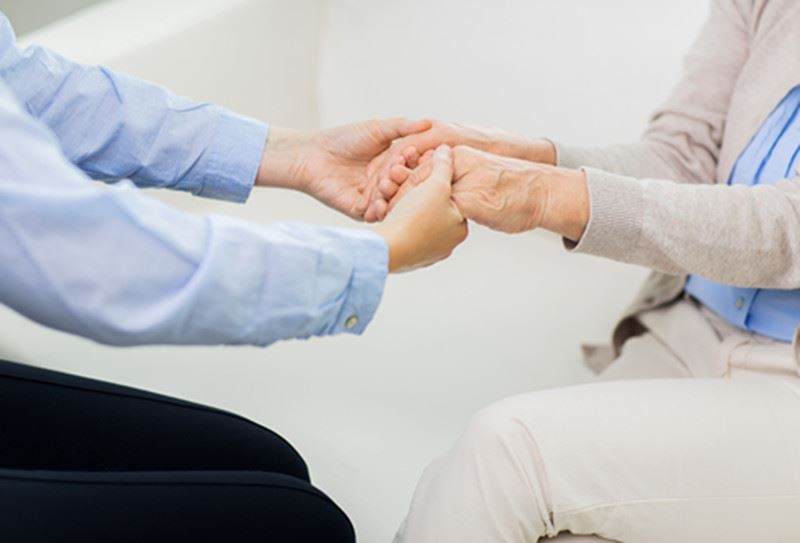
There are many reasons for the difference in the recovery effect of upper and lower limbs in patients with อัมพาตครึ่งซีก.
First of all, 3/4 of โรคหลอดเลือดสมอง patients’ lesion area is in the middle cerebral artery, so most people’s upper extremity motor function will be impaired; second, upper extremity การฟื้นฟูสมรรถภาพ involves grasping, lifting, holding objects and other activities, which need to integrate the patient’s muscles and sensory activity from shoulders to fingers.
The lower limbs of the อัมพาตครึ่งซีก side only need to restore a small part of the function to regain the walking function; in addition, various complications such as shoulder subluxation, shoulder-hand syndrome, upper limb soft tissue injury, and frequent shoulder pain can hinder the upper limb movement function of อัมพาตครึ่งซีก patients Recovery.
Recovery training
1.ROM exercise
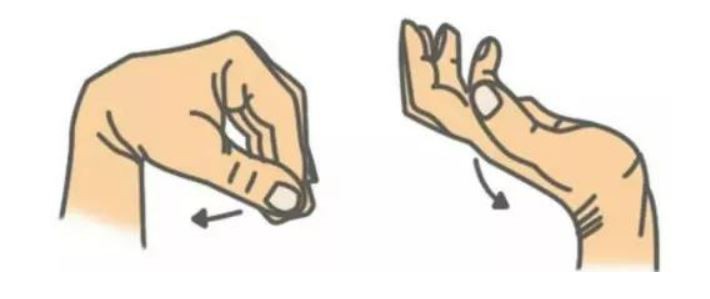
2. Flexion exercise
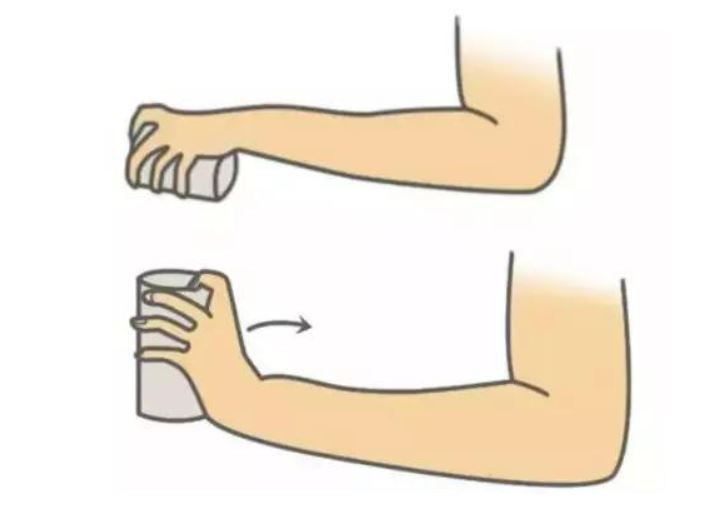
3. Extension training
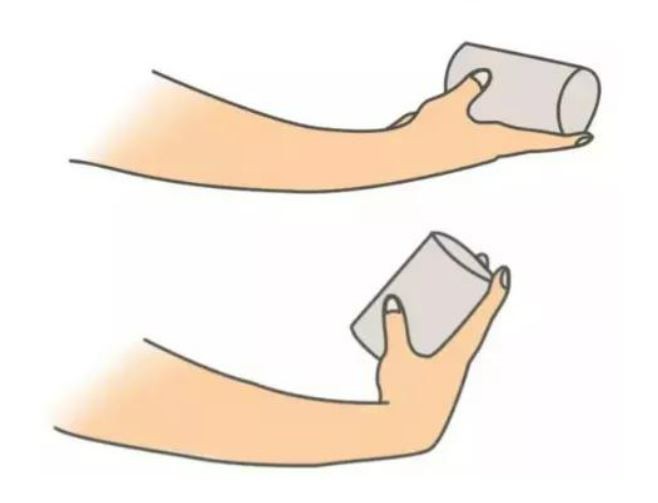
4.Gripping Exercise
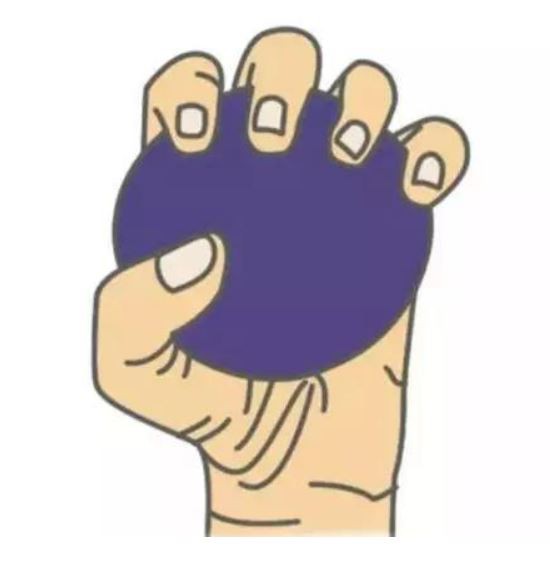
If the patient does not have a professional therapist or family member to guide him, he can use some hand function การฟื้นฟูสมรรถภาพ training equipment to assist in the exercise.
For example, Syrebo™ hand function การฟื้นฟูสมรรถภาพ robotic glove is driven by pneumatic artificial muscles which safely and reliably assists the passive flexion and extension of the fingers, reduces the patient's hand muscle tension and relieves joint edema and stiffness.