Temporomandibular Joint (TMJ) disorder is a condition that affects the joint connecting the jawbone to the skull. It can cause pain, discomfort, and limited movement in the jaw, which can significantly impact a person's quality of life. As a TENS therapy device supplier, I often receive inquiries about whether our devices can be used to alleviate pain associated with TMJ disorder. In this blog, I'll explore how TENS therapy devices work and their potential effectiveness for jaw pain due to TMJ disorder.
Understanding TMJ Disorder
The TMJ is a complex joint that allows for the movement of the jaw, such as chewing, speaking, and yawning. TMJ disorder can be caused by a variety of factors, including stress, teeth grinding (bruxism), arthritis, jaw injuries, or misalignment of the teeth or jaw. Symptoms of TMJ disorder may include pain or tenderness in the jaw, face, or neck; clicking, popping, or grating sounds when opening or closing the mouth; and difficulty opening or closing the mouth fully.
How TENS Therapy Works
Transcutaneous Electrical Nerve Stimulation (TENS) is a non-invasive, drug-free method of pain relief. A TENS Therapy Low Frequency Stimulator works by sending low-voltage electrical impulses through electrodes placed on the skin near the site of pain. These electrical impulses stimulate the nerves in the area, which can have several effects on the body's pain perception.
One of the primary theories behind TENS therapy is the gate control theory of pain. According to this theory, the spinal cord has a "gate" mechanism that controls the transmission of pain signals to the brain. When the TENS unit sends electrical impulses to the nerves, it can stimulate large nerve fibers, which close the "gate" and prevent pain signals from reaching the brain. This can result in a reduction of pain sensation.
In addition to the gate control theory, TENS therapy may also stimulate the body's production of endorphins, which are natural painkillers. Endorphins can bind to opioid receptors in the brain and spinal cord, reducing pain and producing a sense of well-being.

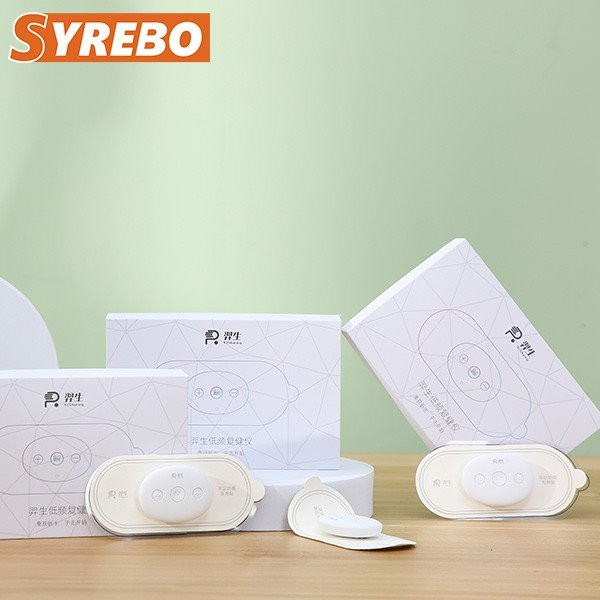
Can TENS Therapy Devices Be Used for TMJ Disorder?
The potential use of TENS therapy for TMJ disorder has been the subject of several studies. Some research has suggested that TENS therapy can be effective in reducing pain and improving jaw function in patients with TMJ disorder.
For example, a study published in the Journal of Oral การฟื้นฟูสมรรถภาพ found that TENS therapy significantly reduced pain intensity and improved jaw opening in patients with myofascial pain, a common type of TMJ disorder. The electrical stimulation may help relax the muscles in the jaw and neck, which can be tense and painful in TMJ disorder.
Another advantage of using a Hand TENS Therapy Device for TMJ disorder is its portability. Patients can use the device at home, work, or anywhere else, allowing them to manage their pain conveniently without frequent visits to a healthcare provider.
How to Use a TENS Therapy Device for TMJ Disorder
If you're considering using a TENS therapy device for jaw pain due to TMJ disorder, it's essential to use it correctly. Here are some general guidelines:
- Consult a healthcare provider: Before using a TENS device, it's advisable to consult a dentist, orthodontist, or physical therapist who specializes in TMJ disorder. They can provide a proper diagnosis and guidance on whether TENS therapy is appropriate for your condition.
- Choose the right device: There are different types of TENS therapy devices available, including Hand TENS Therapy Device and Syrebo Smart Low-Frequency Stimulator การฟื้นฟูสมรรถภาพ Device. Consider factors such as portability, ease of use, and the number of available settings when selecting a device.
- Place the electrodes correctly: The electrodes should be placed on the skin near the site of pain, typically on the side of the face over the TMJ or on the muscles in the neck and jaw. Follow the device's instructions for proper electrode placement.
- Start with a low intensity: Begin with a low intensity setting and gradually increase it until you feel a comfortable tingling sensation. Avoid using a high intensity that causes pain or discomfort.
- Use the device for the recommended duration: Most TENS devices are designed to be used for 15-30 minutes at a time, several times a day. Follow the manufacturer's recommendations for the appropriate duration of use.
Precautions and Considerations
While TENS therapy is generally considered safe, there are some precautions to keep in mind when using a TENS device for TMJ disorder:
- Avoid using on broken or irritated skin: Do not place the electrodes on skin that is cut, bruised, or irritated. This can cause further damage and increase the risk of infection.
- Do not use near the eyes or mouth: The electrical impulses from the TENS device can be dangerous if they come into contact with the eyes or mouth. Keep the electrodes away from these areas.
- Inform your healthcare provider: If you have any underlying medical conditions, such as a pacemaker or epilepsy, or if you are pregnant, inform your healthcare provider before using a TENS device.
- Monitor your symptoms: If you experience any adverse effects, such as skin irritation, increased pain, or dizziness, stop using the device immediately and consult your healthcare provider.
Conclusion
In conclusion, TENS therapy devices have the potential to be a useful tool in managing pain associated with TMJ disorder. By sending electrical impulses to the nerves in the jaw and neck, TENS therapy can help reduce pain, relax muscles, and improve jaw function. However, it's important to use the device correctly and under the guidance of a healthcare provider.
If you're interested in learning more about our TENS Therapy Low Frequency Stimulator, Hand TENS Therapy Device, or Syrebo Smart Low-Frequency Stimulator การฟื้นฟูสมรรถภาพ Device, or if you have any questions about using TENS therapy for TMJ disorder, please feel free to contact us. We're here to assist you in finding the right solution for your pain management needs.
References
- List of relevant studies published in journals such as Journal of Oral การฟื้นฟูสมรรถภาพ, etc.
- Manufacturer's instructions for TENS therapy devices