Can a hand หุ่นยนต์ฟื้นฟูสมรรถภาพ be used for multiple users? This is a question that often comes up in the field of medical การฟื้นฟูสมรรถภาพ, especially when considering the cost - effectiveness and practicality of such devices. As a supplier of hand การฟื้นฟูสมรรถภาพ robots, I am more than happy to delve into this topic and share some insights.
The Feasibility of Multiple - User Use
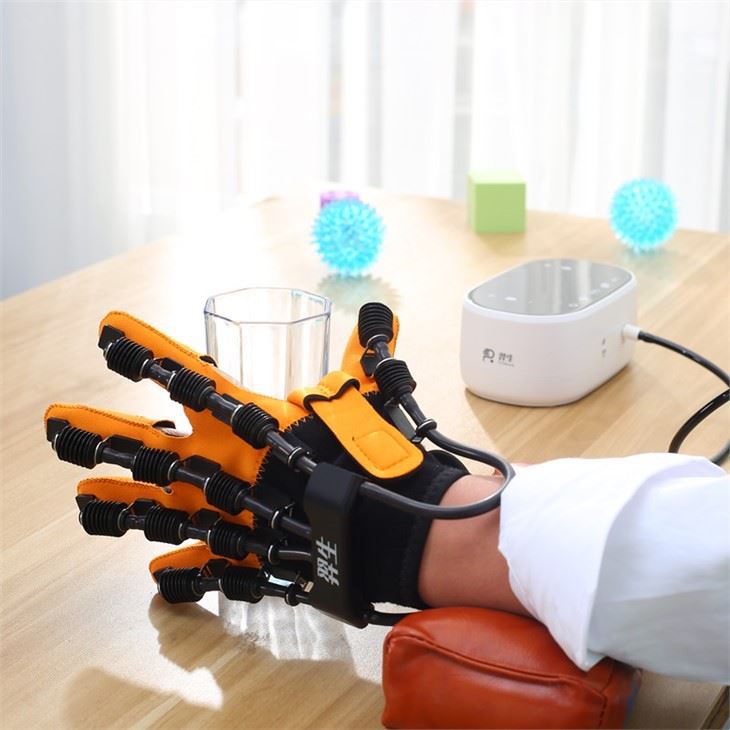
From a technical perspective, many modern hand การฟื้นฟูสมรรถภาพ robots can be configured for multiple users. These devices are usually equipped with adjustable parameters such as the พิสัยการเคลื่อนไหว, force intensity, and training modes. For example, a patient who has just undergone a minor hand injury may require a gentle พิสัยการเคลื่อนไหว and low - intensity force during การฟื้นฟูสมรรถภาพ, while a patient recovering from a more severe neurological condition might need a wider พิสัยการเคลื่อนไหว and higher - intensity force. The ability to adjust these parameters allows the robot to be tailored to the specific needs of different users.
Moreover, the software systems integrated into these robots often support user profiles. Each user can have their own profile where their การฟื้นฟูสมรรถภาพ data, including progress, training history, and specific goals, are stored. This not only enables personalized การฟื้นฟูสมรรถภาพ programs but also ensures that the robot can be used by multiple individuals without confusing their data. For instance, a การฟื้นฟูสมรรถภาพ center with a limited budget can purchase one high - quality hand หุ่นยนต์ฟื้นฟูสมรรถภาพ and use it for different patients throughout the day, simply by switching between user profiles.
Hygiene and Safety Considerations
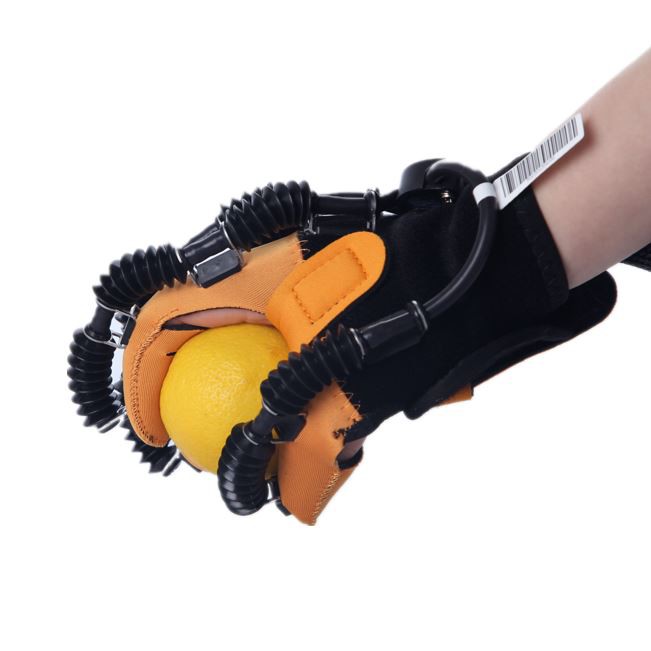
When it comes to using a hand หุ่นยนต์ฟื้นฟูสมรรถภาพ for multiple users, hygiene and safety are of utmost importance. Most modern hand การฟื้นฟูสมรรถภาพ robots are designed with easy - to - clean surfaces. The parts that come into direct contact with the user's hand, such as the grips or gloves, can often be removed and disinfected. For example, some robots use disposable covers or gloves that can be replaced after each use, effectively preventing the spread of germs.
In terms of safety, these robots are equipped with multiple sensors to ensure that the force applied during การฟื้นฟูสมรรถภาพ is within a safe range for each user. For example, if a user's hand muscle strength is weak, the robot will automatically adjust the force to prevent over - exertion and potential injury. Additionally, the software can detect abnormal movements or resistance, and immediately stop the operation to protect the user.
Case Studies and Real - World Applications
There are numerous case studies that demonstrate the successful use of hand การฟื้นฟูสมรรถภาพ robots by multiple users. In many การฟื้นฟูสมรรถภาพ hospitals and clinics around the world, a single hand หุ่นยนต์ฟื้นฟูสมรรถภาพ is shared among different patients. For example, in a large การฟื้นฟูสมรรถภาพ center in Europe, they have been using our Early Neuro การฟื้นฟูสมรรถภาพ Hand หุ่นยนต์ฟื้นฟูสมรรถภาพ to treat patients with various hand - related conditions. The robot has been able to adapt to the different needs of โรคหลอดเลือดสมอง patients, those with hand fractures, and even children with congenital hand problems.
Children, in particular, have unique การฟื้นฟูสมรรถภาพ needs. Our Hand Therapy Glove For Children is designed to be used by multiple young patients. The glove is adjustable in size and can be configured with different training programs suitable for children. It has been well - received in pediatric การฟื้นฟูสมรรถภาพ centers, where it helps children improve their hand dexterity and muscle strength.
Another example is the use of our Intelligent Hand Training กายภาพบำบัด Equipment in community - based การฟื้นฟูสมรรถภาพ programs. These programs often serve a large number of people with limited resources. By sharing the intelligent hand training equipment among different participants, the program can provide cost - effective การฟื้นฟูสมรรถภาพ services to a wider population.
Limitations and Challenges
Despite the many advantages of using a hand หุ่นยนต์ฟื้นฟูสมรรถภาพ for multiple users, there are also some limitations and challenges. One of the main challenges is the initial setup time for each user. Configuring the parameters according to the user's specific needs, such as setting up the พิสัยการเคลื่อนไหว and force intensity, can be time - consuming, especially if there are many users. This may reduce the efficiency of the การฟื้นฟูสมรรถภาพ process, especially in a busy การฟื้นฟูสมรรถภาพ center.
Another limitation is the potential wear and tear of the robot. With multiple users, the robot is used more frequently, which may lead to faster deterioration of its components. Regular maintenance and replacement of parts are necessary to ensure the long - term performance of the robot.
Conclusion
In conclusion, a hand หุ่นยนต์ฟื้นฟูสมรรถภาพ can indeed be used for multiple users. From a technical, hygienic, and safety perspective, modern robots are well - equipped to meet the needs of different individuals. There are many successful real - world applications that prove the feasibility of this approach. However, it is important to be aware of the limitations and challenges, such as setup time and wear and tear.
If you are interested in learning more about our hand การฟื้นฟูสมรรถภาพ robots or discussing how they can be used in your การฟื้นฟูสมรรถภาพ setting, we invite you to contact us for a detailed procurement discussion. Our team of experts can provide you with more information on product features, pricing, and after - sales services. We are committed to helping you find the best hand การฟื้นฟูสมรรถภาพ solutions for your specific needs.
References
- Kamen, G., & Levine, S. (2011). A systematic review of upper - limb robotic การฟื้นฟูสมรรถภาพ following โรคหลอดเลือดสมอง. Neurorehabilitation and Neural Repair, 25(6), 509 - 520.
- Lum, P. S., Burgar, C. G., Shor, P., Majmundar, M., & Van der Loos, H. F. (2002). Robot - assisted movement training compared with conventional therapy techniques for the การฟื้นฟูสมรรถภาพ of upper - limb motor function after โรคหลอดเลือดสมอง. กายภาพบำบัด, 82(1), 35 - 53.
- Duret, D., & Mataric, M. J. (2015). Design and evaluation of a low - cost, modular, and open - source hand โครงกระดูกภายนอก for การฟื้นฟูผู้ป่วยโรคหลอดเลือดสมอง. IEEE Transactions on Neural Systems and การฟื้นฟูสมรรถภาพ Engineering, 23(4), 631 - 641.